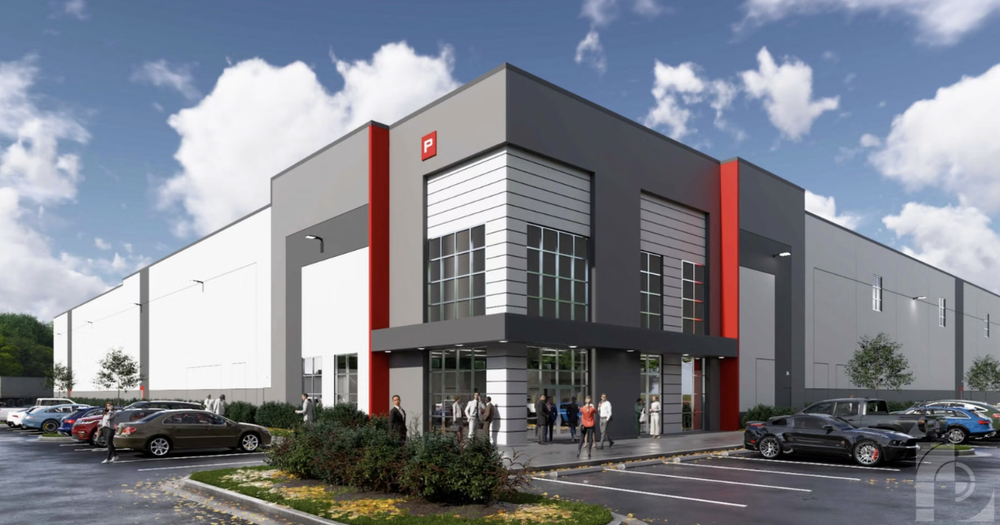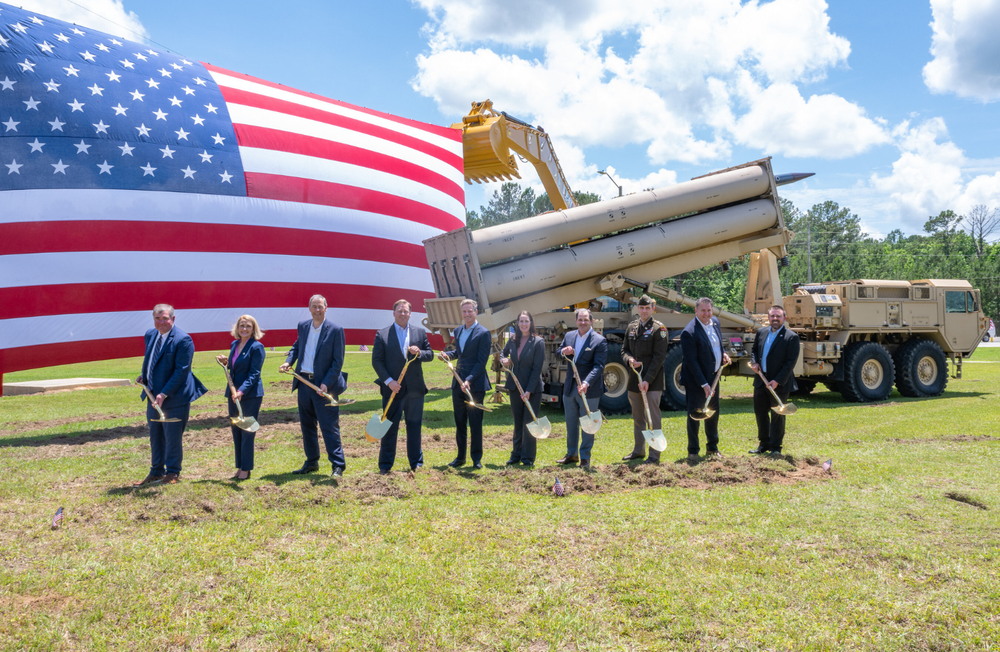

In a significant expansion of North Alabama’s aerospace manufacturing sector, Lockheed Martin officially inaugurated its new Missile Assembly Building 5 in Courtland on June 1, 2026. The 88,000-square-foot, purpose-built facility represents a major capital investment designed specifically to produce the Next Generation Interceptor for the United States Missile Defense Agency. This development further cements the Tennessee Valley region as a pivotal hub for both national security technology and advanced industrial manufacturing, offering substantial economic implications for the local workforce and regional supply chains.
Expanding North Alabama's Aerospace Manufacturing Footprint
The introduction of the Missile Assembly Building 5, commonly referred to as MAB-5, highlights a continued corporate commitment to the Alabama business landscape. Lockheed Martin has maintained a presence in the North Alabama region since 1963 and has actively produced defense systems in Courtland since 1994. The new plant is designed to consolidate the company’s most sophisticated digital manufacturing tools, aiming to achieve high-efficiency, repeatable production for the nation's layered missile defense architecture.
For the Huntsville business news sector and the surrounding economic zones, this facility represents a transition toward next-generation industrial capabilities. Corporate leadership indicates that MAB-5 will streamline complex workflows, significantly reduce unnecessary material handling, and support the tighter manufacturing tolerances required for modern aerospace components. By linking design data directly to the factory floor, the facility will bolster quality assurance and repeatability as production scales to meet Department of Defense demands.
Integrating Digital Twin Technology and Advanced Manufacturing
A core feature of the new Courtland plant is its reliance on smart processes and modern digital engineering. Lockheed Martin is adopting a "digital twin" methodology for the Next Generation Interceptor production line. This approach creates a highly accurate virtual replica of the physical manufacturing process, allowing engineers to simulate, analyze, and optimize production before physical assembly begins. This strategy dramatically reduces risk from the initial design phase through long-term sustainment.
Christopher Jewell, Vice President and Program Manager for the Next Generation Interceptor at Lockheed Martin, noted that the facilities were intentionally designed around the specific system they produce. By aligning the factory architecture with the product at the onset of development, the company expects to improve overall quality, increase operational efficiency, and accelerate the production ramp-up as the defense system evolves.
The Economic Impact on the Tennessee Valley
The economic ripple effects of the MAB-5 facility are expected to be substantial for Courtland, Huntsville, and the broader Tennessee Valley. The integration of automation, artificial intelligence, and data-driven workflows necessitates a highly trained workforce, thereby creating specialized, high-skill job opportunities in the local market.
United States Representative Dale Strong emphasized the regional economic benefits during the inauguration. He identified the talent pool in North Alabama as the fundamental engine driving the next generation of defense systems. According to Representative Strong, the MAB-5 project will foster new career pathways, strengthen the local economy, and reshape Courtland’s role as a steady source of quality employment and economic growth for the region.
Statewide Synergy and the Defense Industrial Base
The economic benefits of the Next Generation Interceptor program extend beyond North Alabama. Lockheed Martin’s facility in Troy, Alabama, is also slated to support the production cycle through hardware integration and large-scale manufacturing. The collaborative synergy between the Troy and Courtland campuses forms a robust statewide supply chain network. This dual-campus approach not only solidifies Lockheed Martin's operational footprint in the state but also stimulates secondary economic growth among local contractors, logistics providers, and technical service firms that support the defense industrial base.
Strategic Defense Initiatives and Open System Architecture
The business of defense manufacturing is increasingly shifting toward adaptable, upgradable technologies. The Next Generation Interceptor is designed as an open system interceptor capable of meshing seamlessly with a layered defense network comprising space-based sensors, advanced radars, and command and control systems.
Director of Golden Dome for America General Mike Guetlein, who leads the Department of Defense's effort to develop this next-generation missile defense shield, hailed the Courtland facility as a critical asset to national security. He characterized the ongoing work in Alabama not merely as infrastructure development, but as the active construction of the "Arsenal of Freedom."
Furthermore, the modular architecture of the Next Generation Interceptor presents a long-term cost-efficiency model for the defense sector. Unlike legacy systems that require costly removal and complete replacement, upgrades to the Next Generation Interceptor can be performed while the missile remains in its silo. This digital foundation ensures the system can rapidly integrate emerging technologies and artificial intelligence, keeping pace with global threats while maximizing the return on investment for defense expenditures.
As core technologies for the interceptor demonstrate system-level performance ahead of the Critical Design Review, the Courtland facility stands ready to transition from design to full-scale production. This readiness positions Alabama at the forefront of aerospace innovation, ensuring the state remains a premier destination for high-tech commercial investment and defense manufacturing in the decades to come.
Author
Sign up for Huntsville Commerce Report - Huntsville, AL Business News newsletters.
Stay up to date with curated collection of our top stories.