
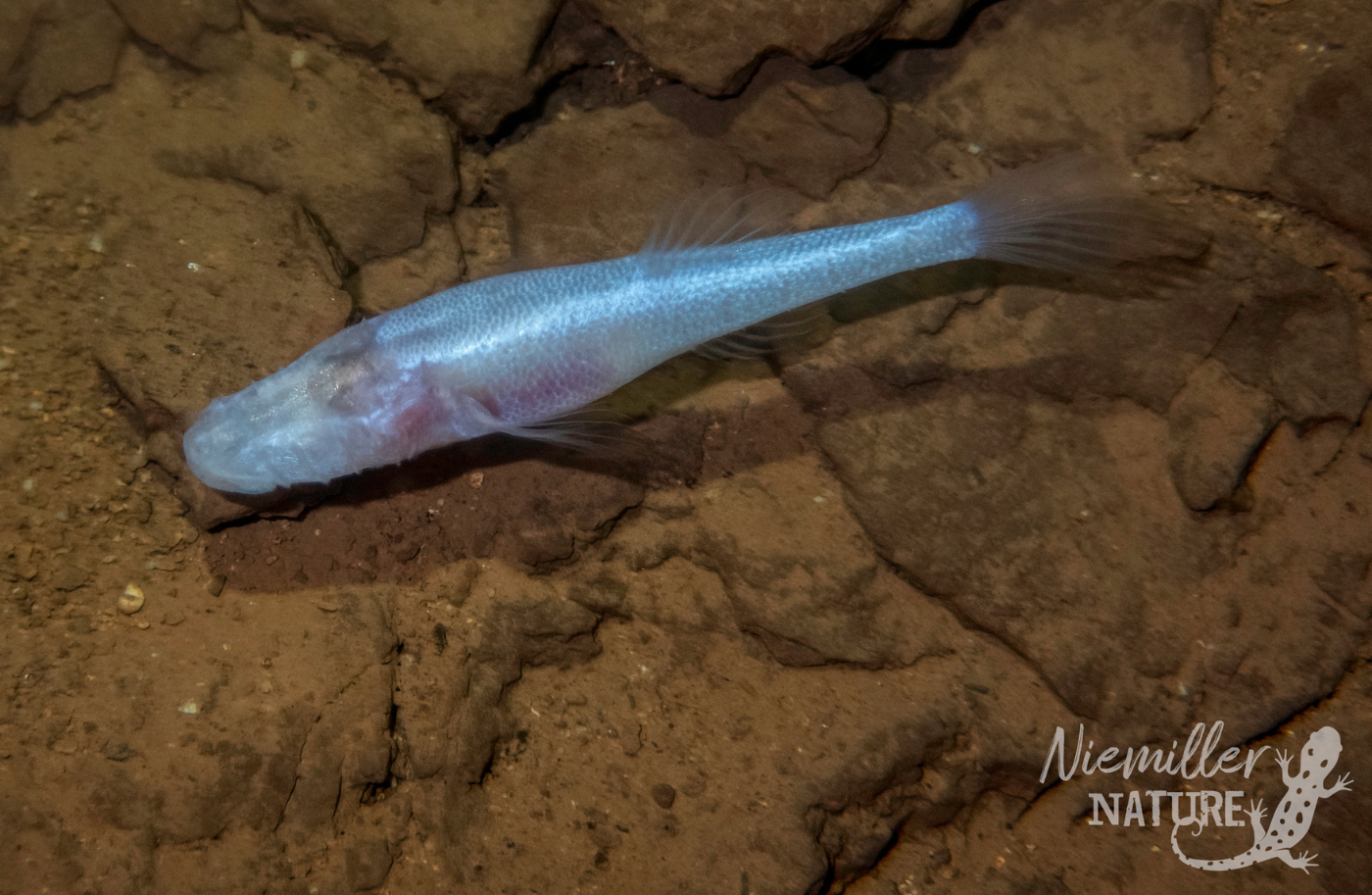
Groundbreaking Scientific Discovery Boosts North Alabama Research Profile
In a significant development for the regional scientific community, researchers at The University of Alabama in Huntsville have announced the discovery of a new genus of blind cavefish. This finding underscores the robust research and development ecosystem that continues to drive the North Alabama economy. The newly identified Demon Cavefish, scientifically classified as Demogorgonichthys arcanus, was discovered within one of the most rigorously monitored subterranean ecosystems in the southeastern United States.

The discovery, which was recently published in the journal Scientific Reports, represents a major achievement for local academic institutions and environmental management teams. Data from the research team indicates that the fish is entirely eyeless, colorless, and exhibits a faintly electric blue appearance in its natural habitat. The project was led by Dr. Matthew L. Niemiller, an associate professor of biological sciences and the director of the Cave Bio Lab at The University of Alabama in Huntsville. The effort also involved extensive collaboration with researchers from Auburn University, The University of Alabama, Mississippi State University, and local environmental consulting firm Redstone Environmental.
This multi-institutional partnership highlights the strength of the scientific sector in the region, a frequent topic in Huntsville business news. Dr. Niemiller noted that finding a completely unknown genus of freshwater fish in eastern North America is an exceptionally rare event, comparing it to discovering a new species of large mammal in a heavily studied area.
Decades of Monitoring Yield Unexpected Results in Bobcat Cave
The location of this discovery adds a compelling layer to the ongoing environmental and infrastructural narrative of the region. The Demon Cavefish was located in Bobcat Cave, an aquifer system situated approximately eight miles from the university campus, directly beneath the United States Army’s Redstone Arsenal.
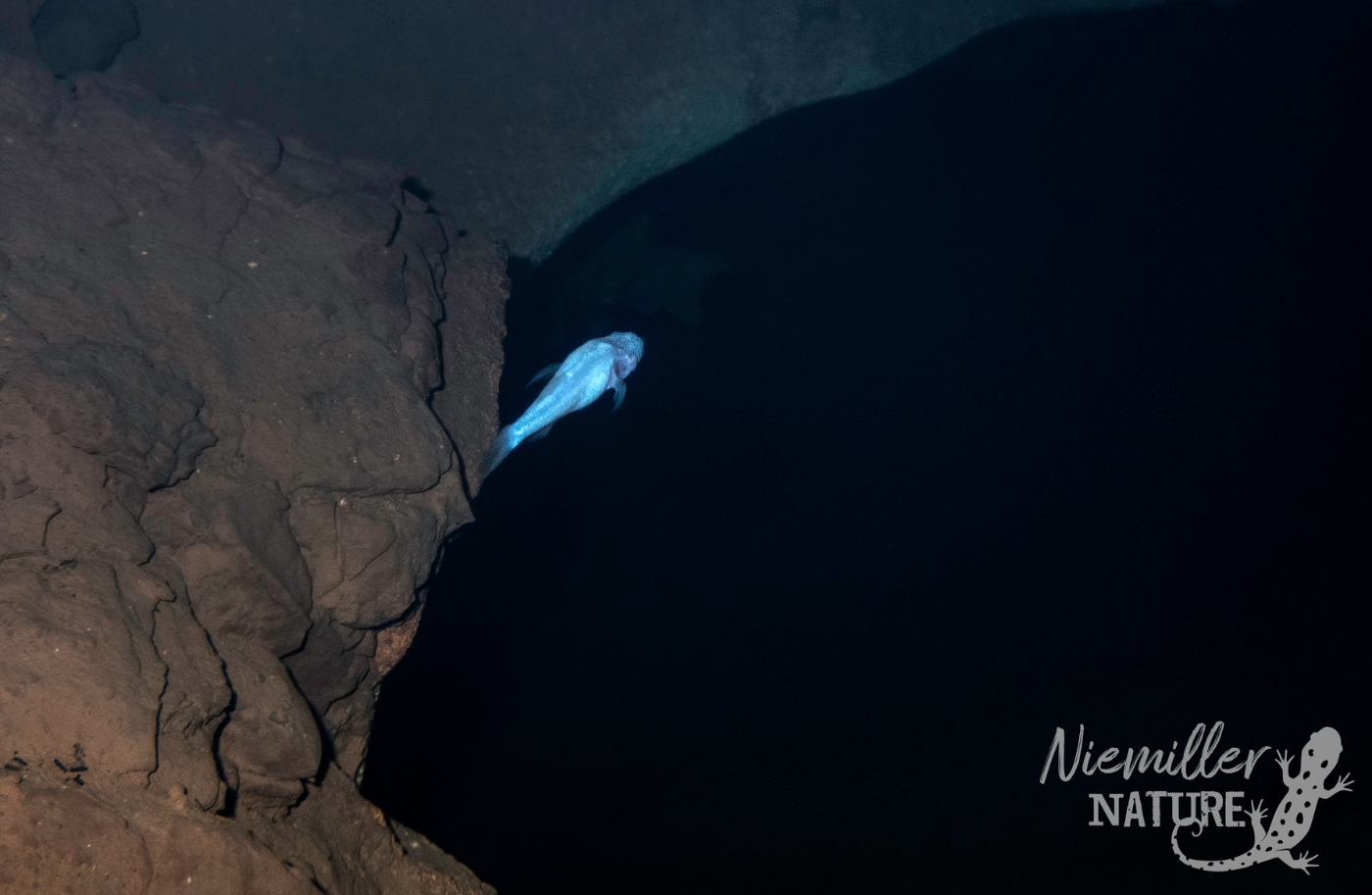
Redstone Arsenal is a massive economic engine for the state of Alabama, and the installation is subject to strict environmental oversight. Bobcat Cave has been monitored at least quarterly for more than thirty years. Because cavefishes in this family have served as a model system for biological study since the nineteenth century, researchers widely assumed that a genus-level discovery in such a well-documented location was highly improbable. The rigorous environmental compliance and monitoring operations on the arsenal not only support national defense initiatives but also provide a fertile ground for critical scientific breakthroughs.
The Demon Cavefish managed to evade detection for decades due to its striking resemblance to another known species inhabiting the same cave, the Southern Cavefish. It was only through the application of advanced technological tools, including detailed anatomical studies, computed tomography imaging, and comprehensive genetic analyses, that researchers were able to confirm the specimen as a distinct genus.
Evolutionary Significance of the Demon Cavefish
Convergent Evolution and the Subterranean Ecosystem
Beyond the immediate identification of the species, the findings present profound implications for the scientific understanding of evolutionary biology. Researchers discovered that while the Demon Cavefish and the Southern Cavefish occupy the exact same aquatic pools inside Bobcat Cave, they do not share a close genetic lineage.
Instead, these two distinct lineages independently evolved the specialized traits necessary for subterranean survival, such as the loss of pigmentation and eyesight, over millions of years. Dr. Niemiller described this as a vivid instance of convergent evolution, wherein the extreme cave environment shapes physically similar organisms out of completely distinct genetic backgrounds. The research demonstrates that underground ecosystems serve as powerful long-term refuges, preserving deep evolutionary independence even when species coexist side by side.
The naming of the genus, Demogorgonichthys, draws inspiration from the mythological underworld figure the Demogorgon, while the species designation arcanus translates to hidden or secret. This nomenclature effectively captures the decades-long concealment of the species within one of Alabama's most prominent cave systems.
Environmental Conservation and Economic Implications for Huntsville
The unearthing of the Demon Cavefish brings critical attention to the exceptional biodiversity located beneath the surface of North Alabama. The region sits atop one of the most intricate and ecologically rich cave landscapes in the United States. Dr. Niemiller has pointed out that the local groundwater harbors remarkable life that remains incompletely cataloged, suggesting that modern genetic tools will likely reveal further hidden diversity in the years to come.
From a regional planning and commercial perspective, this discovery emphasizes the critical importance of sustainable development and groundwater protection. Because the Demon Cavefish is currently known to exist only within a single cave and its connected aquifer, the species is inherently vulnerable to shifts in groundwater hydrology and quality.
While the restricted access and secure perimeter of Redstone Arsenal offer substantial protection against direct human disturbance, the subterranean habitat remains susceptible to surface-level threats. Contaminants, sedimentation, and water level fluctuations originating from the surrounding recharge areas represent significant risks. Safeguarding this newly discovered species will require ongoing, stringent protection of the regional groundwater quality and the broader recharge basin.
For the local business community and civic leaders, this underscores the necessity of balancing the rapid economic expansion and real estate development in Madison County with rigorous environmental stewardship. Protecting the aquifer is not solely a matter of ecological preservation; it is fundamentally tied to maintaining the clean water infrastructure required to support the area's continued commercial and residential growth. The ongoing research at The University of Alabama in Huntsville will undoubtedly continue to inform these vital conservation strategies, proving once again that scientific exploration and economic sustainability are deeply interconnected in North Alabama.
Author
Sign up for Huntsville Commerce Report - Huntsville, AL Business News newsletters.
Stay up to date with curated collection of our top stories.