
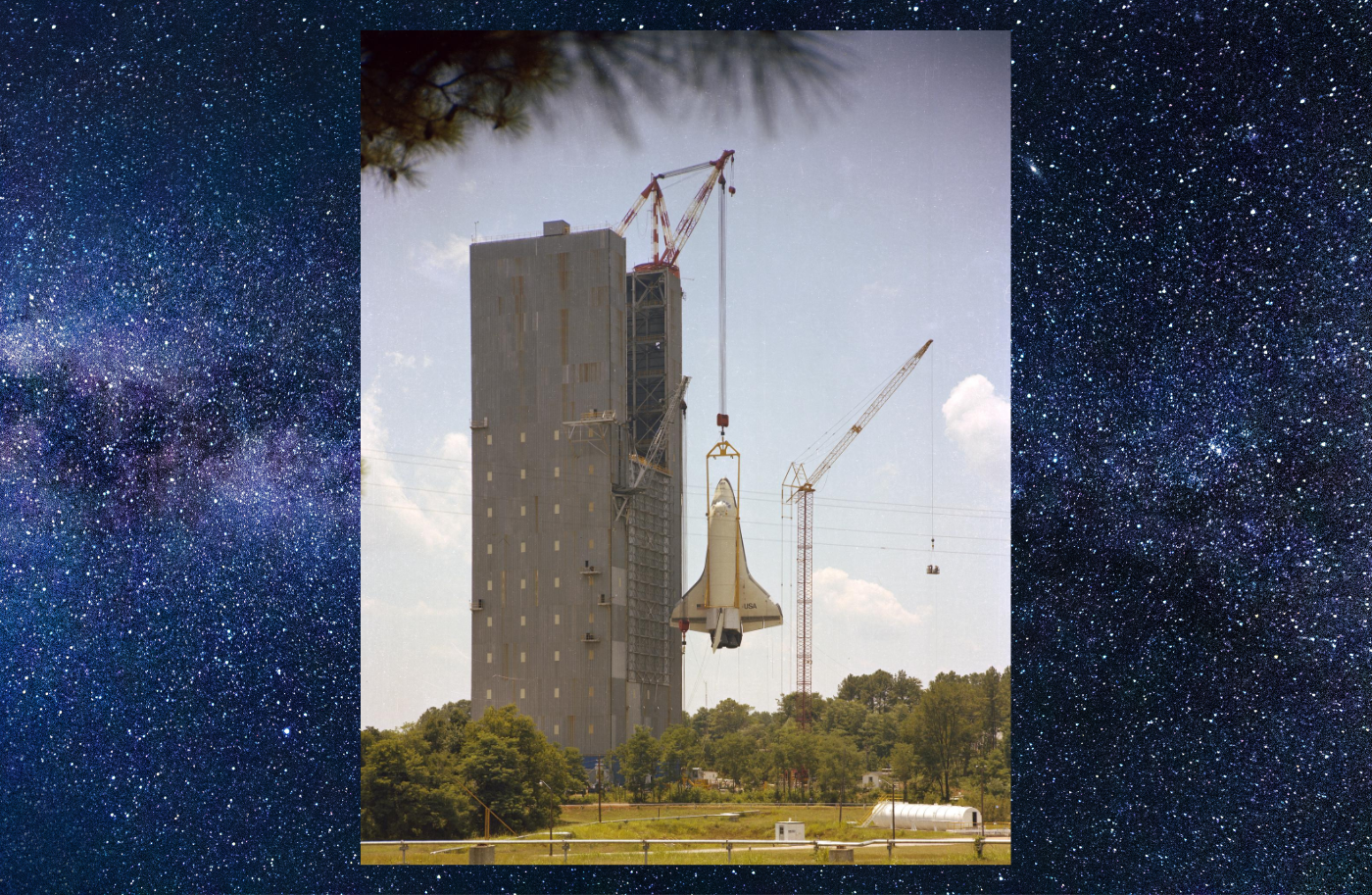
HUNTSVILLE, AL - The skyline of NASA’s Marshall Space Flight Center (MSFC) and Huntsville/Madison County is set to change dramatically this weekend as the agency moves forward with the demolition of two iconic but aging facilities: the Dynamic Test Stand and the Propulsion and Structural Test Facility, locally known as the "T-Tower."
Scheduled for controlled implosion on January 10, 2026, the removal of these structures marks a significant milestone in NASA’s long-term Facilities Master Plan. While the demolition clears the way for a leaner, more cost-effective campus optimized for the Artemis generation, it also highlights the growing tension between preserving Alabama's aerospace heritage and the economic realities of maintaining 1960s infrastructure.
The Case for Demolition
The decision to raze these landmarks is driven primarily by economic necessity. According to NASA’s Office of Strategic Infrastructure, the maintenance backlog for the agency’s aging facilities has grown into a multibillion-dollar liability. The Dynamic Test Stand and T-Tower, both constructed during the Apollo era, have reached the end of their operational lives and are no longer viable for modern mission requirements.
For the Huntsville business community, this move signals a shift in federal spending priorities. Rather than allocating millions annually to maintain dormant, deteriorating steel structures, funds are being redirected toward new, state-of-the-art laboratories and testing environments that support active contracts. This "reduce the footprint" strategy is designed to lower overhead costs, ensuring that a higher percentage of the MSFC budget goes directly to engineering, R&D, and procurement—sectors that directly benefit local defense and aerospace contractors.
How Landmarks Are "Legally" Demolished
A common question among residents and preservationists is how federal agencies are permitted to destroy National Historic Landmarks. The process is governed by Section 106 of the National Historic Preservation Act (NHPA).
Section 106 does not mandate preservation at all costs; rather, it requires federal agencies to "take into account" the effects of their actions on historic properties and consult with the State Historic Preservation Officer (SHPO). When a building is deemed critical to remove for safety or economic reasons, the agency must reach an agreement on "mitigation" measures.
In the case of the Dynamic Test Stand, mitigation does not mean saving the physical steel. Instead, NASA has employed advanced digital preservation techniques. Crews have utilized LiDAR (Light Detection and Ranging) to create millimeter-accurate 3D digital twins of the structures. Combined with high-resolution photography and the archiving of original engineering blueprints, these digital artifacts ensure the engineering data is preserved for future generations, even if the physical structure is gone.
A Statewide Trend: Losing NASA Landmarks
The impending demolition at MSFC is part of a broader trend affecting Alabama’s space history. The harsh reality is that aerospace hardware, typically built from aluminum and steel alloys designed for flight rather than permanent outdoor display, succumbs to corrosion over decades of exposure to the humid Southern climate.
This trend was most visibly illustrated in late 2023, when the Saturn IB rocket at the I-65 Alabama Welcome Center in Ardmore was dismantled. Installed in 1979, the rocket had become a safety hazard due to severe structural deterioration. Despite its status as a regional icon, restoration estimates exceeded $7 million—a cost deemed unjustifiable by state tourism and space officials compared to the price of installing a durable replica.
Similarly, the MSFC test stands have faced decades of weathering. The cost to stabilize them for mere display would divert substantial resources from the active space programs that fuel Huntsville's economy today.
Looking Forward
As the dust settles this weekend, the footprint left by the Dynamic Test Stand and T-Tower will likely be repurposed to support the next era of exploration. For Huntsville’s economy, the demolition is a physical manifestation of a "out with the old, in with the new" philosophy.
While the loss of physical history is palpable, the economic pivot is clear: NASA is positioning Marshall Space Flight Center not as a museum of past glories, but as an active, modernized hub capable of leading the nation's return to the Moon and future crewed missions to Mars.
You can read more about this decision from NASA here: https://www.nasa.gov/centers-and-facilities/marshall/nasa-marshall-prepares-for-demolition-of-historic-test-simulation-facilities/
Author
Sign up for Huntsville Commerce Report - Huntsville, AL Business News newsletters.
Stay up to date with curated collection of our top stories.