BREAKING: DOJ Launches Criminal Probe into Fed Chair Powell Amidst Escalating Clash Over Monetary Policy

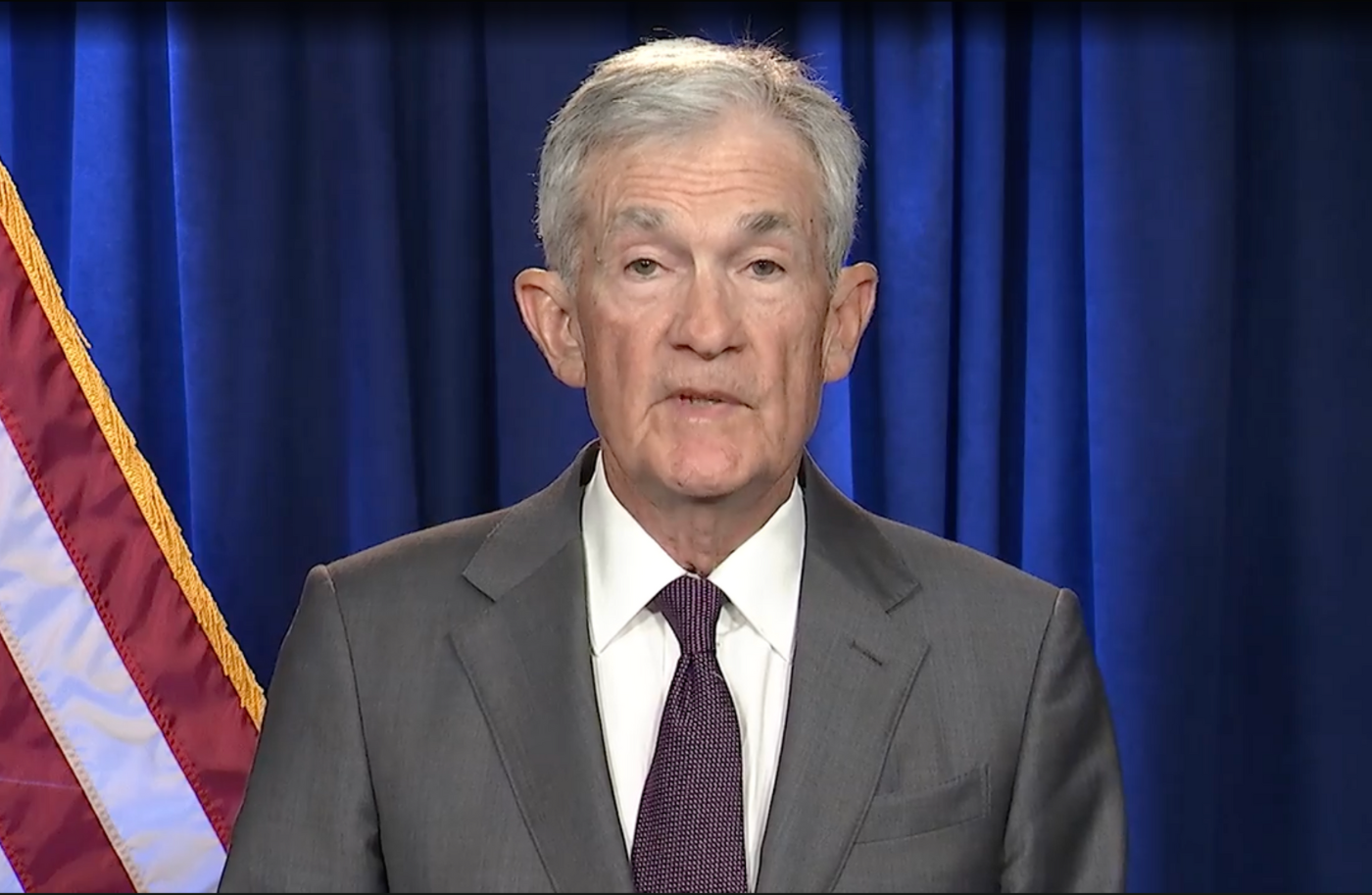
In a historic escalation of tensions between the White House and the central bank, the Department of Justice has opened a criminal investigation into Federal Reserve Chairman Jerome Powell. The inquiry, made public by Powell in a defiant video statement on Sunday, officially centers on alleged improprieties regarding the renovation of the Federal Reserve’s headquarters. However, the move has sent shockwaves through global markets, with analysts viewing it as a direct challenge to the Federal Reserve’s century-old mandate of independence.
The Investigation: Renovation or Retaliation?
On Friday, federal prosecutors served the Federal Reserve with grand jury subpoenas. The stated focus of the investigation is Powell’s testimony to the Senate Banking Committee in June 2025 regarding the multi-year renovation of the Marriner S. Eccles Building. The project has faced scrutiny for cost overruns, which have ballooned from an estimated $1.9 billion to over $2.5 billion. Prosecutors are reportedly examining whether Powell misled Congress about the scope and expense of the project.
Powell, however, has dismissed these allegations as a "pretext" for political retribution. In his statement, he explicitly linked the threat of criminal charges to the Federal Open Market Committee’s (FOMC) refusal to slash interest rates at the pace demanded by the administration.
"The threat of criminal charges is a consequence of the Federal Reserve setting interest rates based on our best assessment of what will serve the public, rather than following the preferences of the President," Powell stated.
From Jekyll Island to Pennsylvania Avenue: A History of Independence
To understand the gravity of this confrontation, one must look back to the Federal Reserve’s clandestine origins. In November 1910, a group of powerful financiers—including Senator Nelson Aldrich and Paul Warburg—boarded a train under the guise of a duck hunting trip to Jekyll Island, Georgia.
Sequestered in the exclusive Jekyll Island Club, these men drafted the blueprint for a central banking system that would eventually become the Federal Reserve Act of 1913. The system was designed with a complex structure specifically to insulate monetary policy from short-term political whims. The current investigation represents perhaps the most significant stress test of that insulation since the institution's founding.
Economic Fallout: The Cost of Modern Monetary Tools
While the political battle rages, the economic backdrop remains fraught with challenges that have drawn sharp criticism of Powell’s tenure. Beyond the immediate legal drama, many economic observers argue that the financial tools deployed under Powell’s chairmanship have precipitated severe structural damage to the American economy.
Critics point to the aggressive use of quantitative easing and prolonged periods of near-zero interest rates as primary drivers of the stubborn inflation that continues to erode the average Alabamian's purchasing power. These unconventional monetary interventions have distorted market signals and asset prices, leading to a widening wealth gap and a cost-of-living crisis that has outpaced wage growth in regions like the Tennessee Valley.
Furthermore, the aggressive expansion of the money supply has arguably weakened the fundamental stability of the currency. Global markets have taken note, accelerating a trend away from the U.S. dollar as the singular global reserve currency. As nations diversify their holdings, the long-term hegemony of the dollar—and the economic privileges it affords the United States—faces unprecedented risk.
Short and Long-Term Consequences
Short-Term Market Volatility: The immediate reaction has been a flight to safety. Gold & Silver prices surged in Monday trading, and equity markets displayed heightened volatility as investors digested the implications of a politicized central bank. For Huntsville’s business community, particularly in the defense and aerospace sectors which rely on long-term government stability, this uncertainty complicates capital planning for Q1 2026.
Long-Term Institutional Damage: If the executive branch successfully pressures the Fed through legal intimidation, the long-term credibility of U.S. monetary policy could be shattered. A central bank viewed as an arm of the White House loses its ability to effectively anchor inflation expectations.
The "Chilling Effect": Regardless of the investigation's outcome, the precedent has been set. Future Federal Reserve Chairs may be more hesitant to make unpopular but necessary economic decisions if the threat of personal legal peril looms, potentially leading to looser monetary policy that favors short-term political gains over long-term economic health.
As the situation develops, The Huntsville Commerce Report will continue to monitor how these macro-level shifts impact our local economy, from the Redstone Arsenal to the manufacturing floors of Mazda Toyota.
Author
Sign up for Huntsville Commerce Report - Huntsville, AL Business News newsletters.
Stay up to date with curated collection of our top stories.