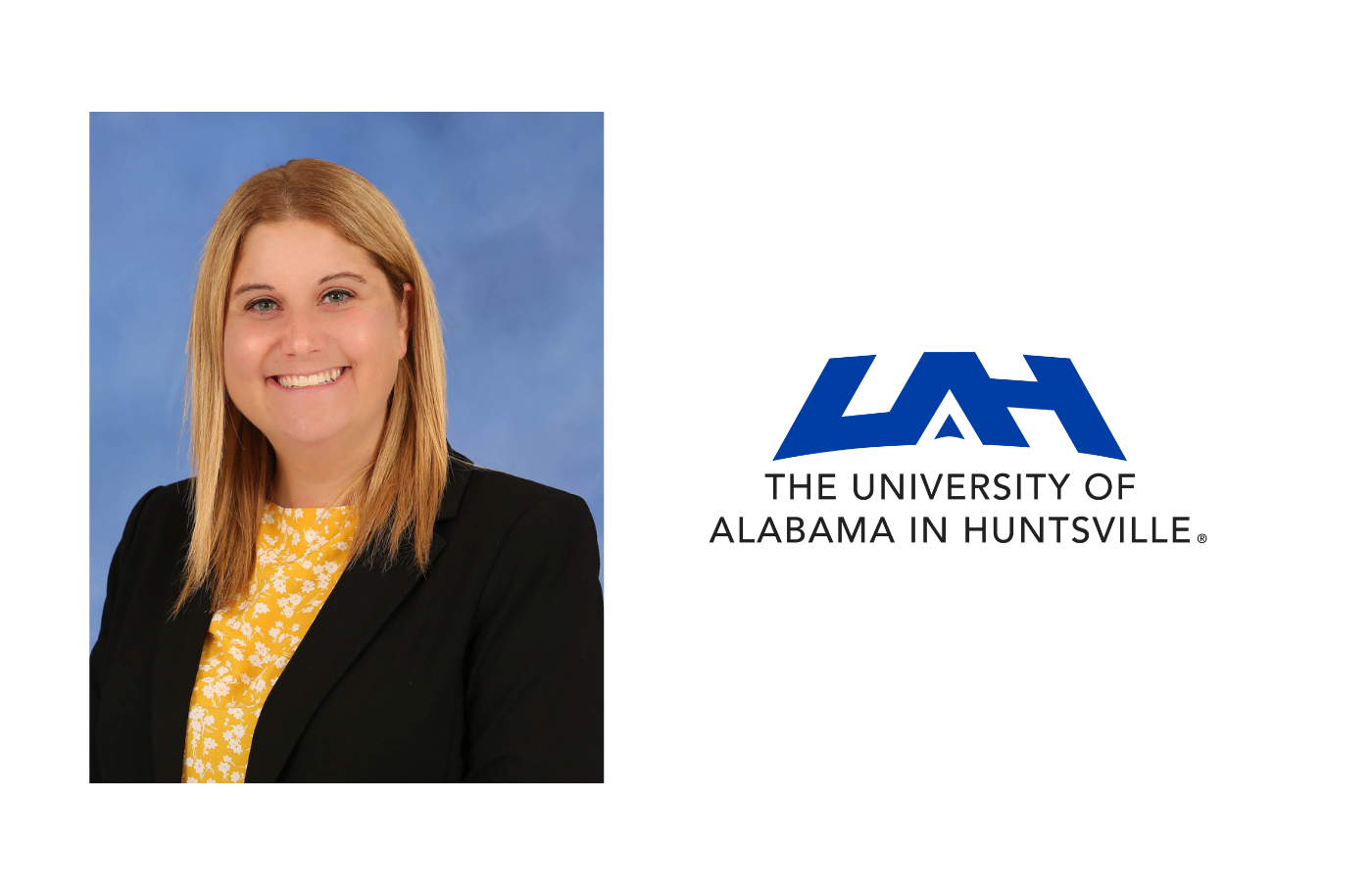
HUNTSVILLE, Ala. (MAR. 25, 2026) — For decades, the cornerstone of American commerce has been the pursuit of mass appeal. However, as the 2026 digital marketplace becomes increasingly saturated with AI-generated content and generic messaging, a counterintuitive strategy is gaining national traction: telling certain customers that a product is not for them. This approach, known as "dissuasive framing," is at the center of groundbreaking research led by Dr. Karen Anne Wallach of the University of Alabama in Huntsville (UAH).
The study, recently published in the Journal of Consumer Research, challenges a long-standing pillar of marketing. Dr. Wallach’s findings suggest that by clearly defining who a product is not intended for, brands can significantly increase engagement, build trust, and forge a stronger connection with their ideal audience. This academic insight arrives at a pivotal moment for the U.S. economy, where "authenticity" has become the primary currency for brand survival.
The National Shift Toward Target Specificity
In a landscape where 2026 marketing trends are defined by "AI fatigue" and a growing consumer demand for human-centric storytelling, Dr. Wallach’s research identifies a powerful psychological mechanism called "target specificity." This is the perception that a product is designed for a narrow, specialized group. When a company signals its boundaries, it simultaneously signals its expertise and commitment to a specific type of user.
Nationwide, brands are increasingly moving away from the "wide net" approach of the early 2020s. Data from the UAH experiments, which included products ranging from mattresses to specialty coffee, showed that dissuasive framing—messages that highlight a mismatch for non-target consumers—outperformed traditional persuasive ads. For the national business community, this translates into more efficient marketing spend, as companies stop chasing low-value leads and focus on high-intent, loyal customer bases.
Lessons from National Leaders: Liquid Death and Patagonia
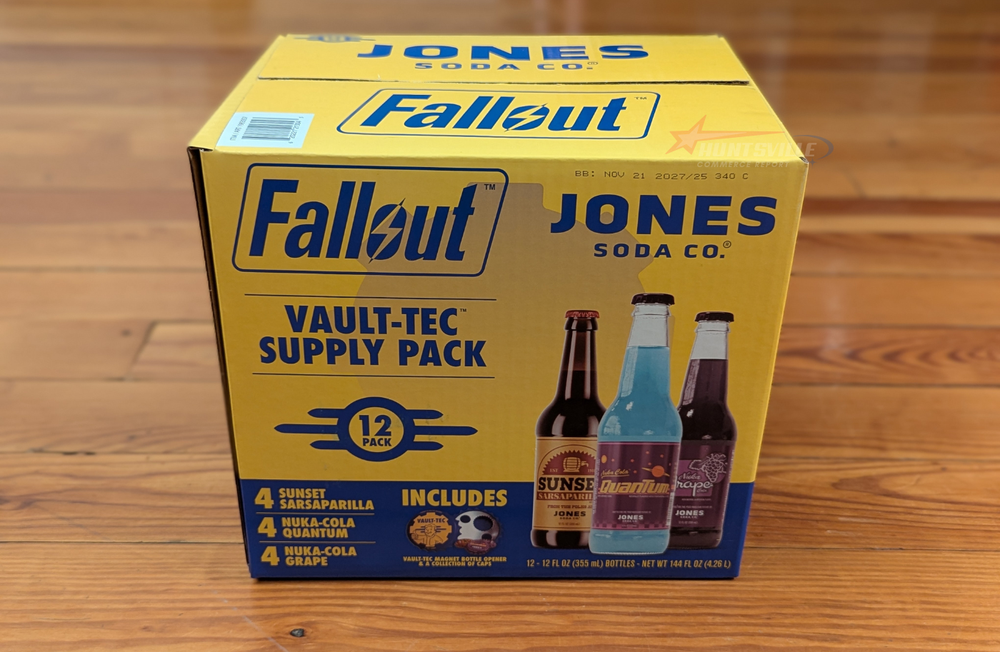
While the UAH research provides the academic framework, the national marketplace is already seeing high-profile implementations of these principles. Brands like Liquid Death and Patagonia have successfully utilized "exclusionary" tones to dominate their respective categories. Liquid Death’s "Murder Your Thirst" campaign intentionally targets a punk-rock, counter-cultural aesthetic that alienates traditional bottled water consumers, yet has propelled the brand to a projected $340 million in revenue for 2026.
Similarly, Patagonia’s "Don’t Buy This Jacket" philosophy—revisited in 2026 as a broader commitment to anti-consumption—uses radical transparency to dissuade impulsive buyers. This strategy has not only boosted long-term profitability but has also protected the brand from the "greenwashing" backlash that has plagued other major retailers this year. These examples mirror Dr. Wallach’s finding that when a brand is brave enough to say "this isn't for everyone," the consumers who are included feel a sense of belonging that generic ads cannot replicate.
Navigating the Risks of 2026 Consumer Regulations
As the Federal Trade Commission (FTC) intensifies its scrutiny on AI disclosures and unsubstantiated marketing claims in 2026, the honesty inherent in dissuasive framing offers a layer of regulatory protection. By being upfront about a product's limitations—for example, a software tool that explicitly states it is not for beginners—a company reduces the risk of consumer deception claims.
However, the UAH study warns that this strategy must be implemented with precision. Dr. Wallach notes that the effectiveness of dissuasive framing is strongest when it focuses on single-feature preferences, such as taste, firmness, or specific performance metrics. In more complex categories, like high-end electronics or automotive manufacturing, exclusionary messaging must be balanced with broader value propositions to avoid over-narrowing the market.
The Future of Commerce: Niche is the New Mainstream
The 2026 economic landscape is proving that the "mainstream" is no longer a monolithic block. Instead, the U.S. economy is fragmenting into highly specialized niches. Dr. Wallach’s research serves as a definitive guide for this new era, suggesting that clarity and boundaries are more valuable than universal reach.
For business leaders across the country, the takeaway is clear: the most effective way to say "yes" to your most valuable customers is to be willing to say "no" to everyone else. In a world of infinite options, the brand that knows exactly who it is for—and who it is not—is the one that will ultimately win the trust of the American consumer.
Author
Sign up for Huntsville Commerce Report - Huntsville, AL Business News newsletters.
Stay up to date with curated collection of our top stories.