
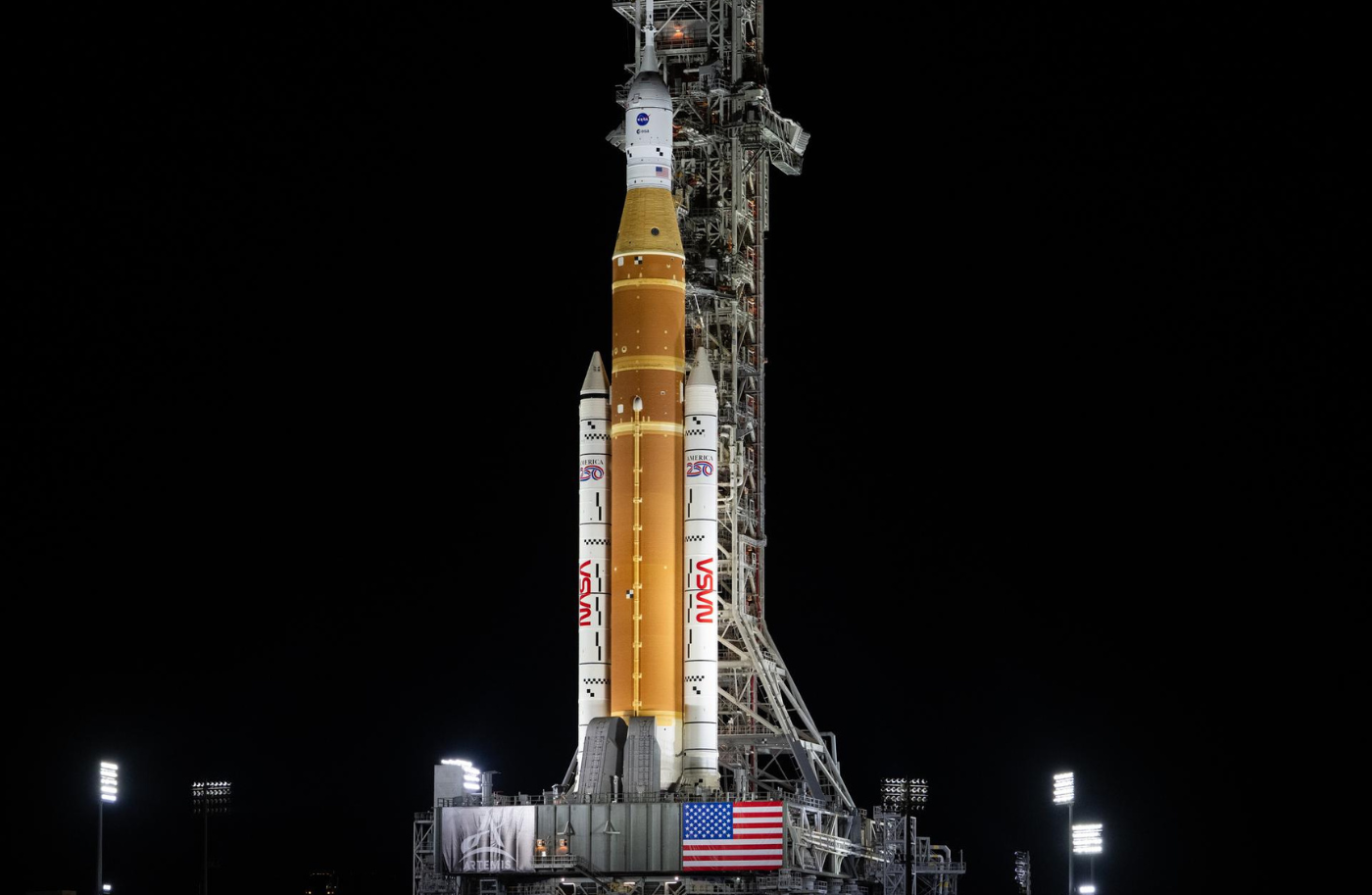
The once-unassailable reputation of American aerospace engineering is currently weathering a crisis of confidence as NASA and its primary contractors face indefinite delays for the Artemis II mission. Following a series of critical hardware failures and unresolved safety risks surrounding the Orion heat shield, the mission—once promised as a triumphant return to lunar orbit—now teeters on the brink of a complete mission downgrade. For the Huntsville, which built its identity on the decisive success of the Apollo era, the current state of the Space Launch System (SLS) is a stark reminder of a declining engineering culture that prioritizes bureaucratic risk-aversion over the bold excellence defined by Dr. Wernher von Braun.
A Technical Farce: The Helium Leaks and Battery Failures of the SLS
The most recent blow to the program occurred at Kennedy Space Center, where a catastrophic failure in the helium flow system of the SLS upper stage forced a mandatory rollback to the Vehicle Assembly Building. This is not an isolated incident but rather the latest in a multi-year saga of technical incompetence. While the Saturn V rocket was designed, tested, and flown to the Moon within a single decade using slide rules and analog calculations, the SLS has consumed nearly twenty years and tens of billions of taxpayer dollars only to be grounded by "plumbing" issues and aging battery sets.
Data from recent congressional oversight hearings indicates that the SLS program is billions over budget, yet the vehicle remains plagued by the same hydrogen leaks and valve failures that stalled its inaugural launch. To the engineers of the 1960s who operated under the shadow of the Marshall Space Flight Center, the inability of modern contractors to master cryogenic fluid management suggests a profound atrophy in American manufacturing capabilities.
The Orion Heat Shield: A Case Study in Engineering Regression
Perhaps the most damning evidence of this decline is the ongoing debacle regarding the Orion crew capsule’s heat shield. During the uncrewed Artemis I test flight, the protective Avcoat layer experienced "spalling"—unexpectedly shedding large chunks of material during reentry. In any previous era of flight testing, such a fundamental failure of a critical life-support component would have triggered an immediate redesign.
Instead, NASA leadership has spent months debating "trajectory modifications" to lessen the thermal load—a move critics describe as a desperate attempt to paper over a flawed design rather than fixing it. This inability to produce a reliable thermal protection system, more than 50 years after the Apollo capsules successfully braved lunar velocities, represents an embarrassing regression. The prospect of an Artemis II mission that stays in Earth orbit because the hardware is too fragile to reach the Moon is not a strategic pivot; it is a public admission of failure.
From von Braun to Bureaucracy: The Erosion of the Rocket City Spirit
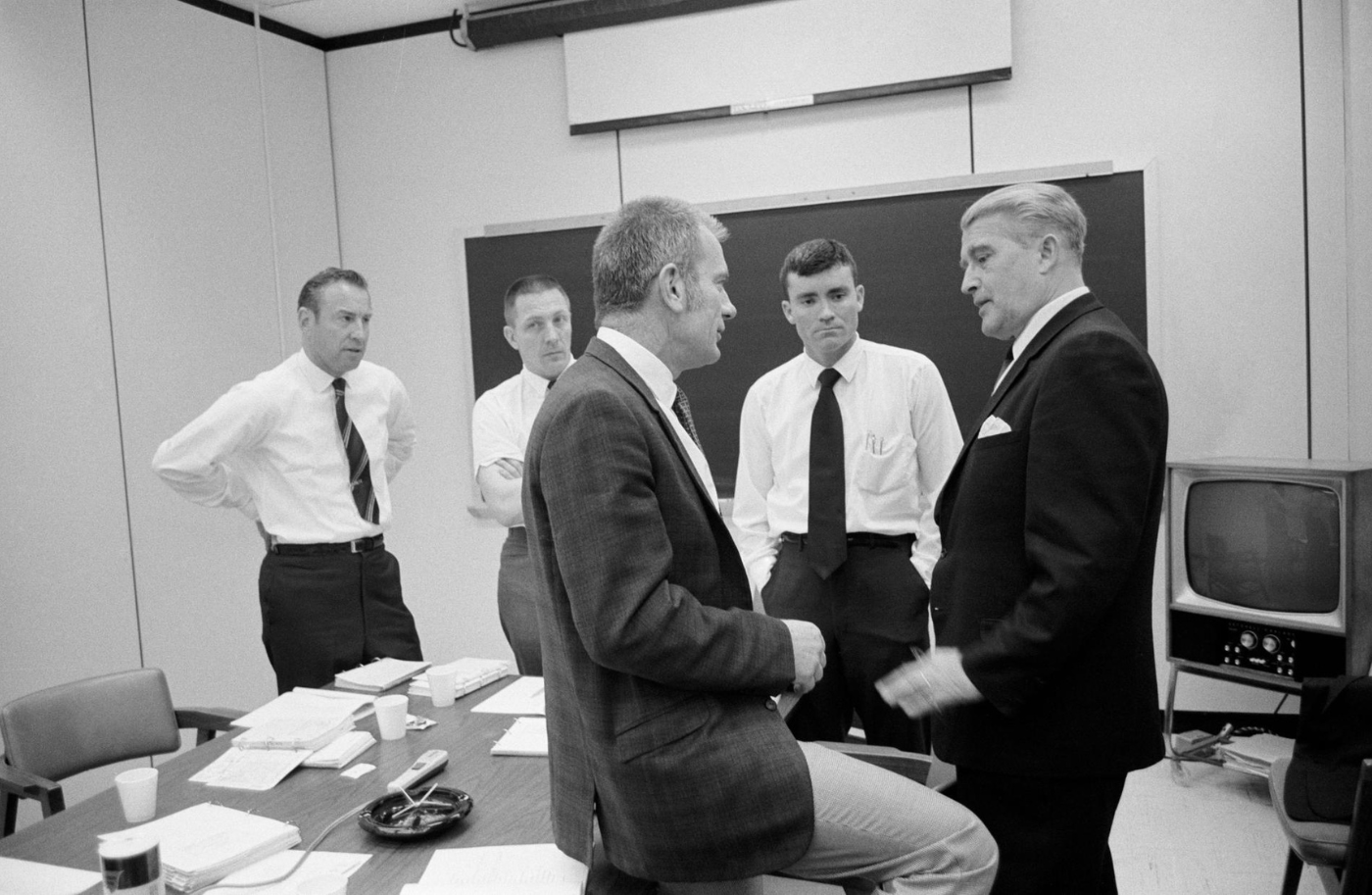
The contrast between the current Artemis administration and the tenure of Wernher von Braun is jarring. Von Braun’s leadership in Huntsville was characterized by a "test-as-you-fly" philosophy and a relentless pursuit of hardware reliability. The Saturn V remains a masterpiece of engineering because it worked every time it was called upon. Today, the aerospace industry is bogged down by "cost-plus" contracts that reward delays and a culture of incrementalism that fears the very risks required for progress.
This decline has direct implications for Huntsville and the local economic landscape. The Marshall Space Flight Center was founded on the principle of being the world’s premier rocket house. When the premier rocket house produces a vehicle that requires constant rollback for basic repairs, the prestige of the entire North Alabama defense and space corridor is diminished. The stagnation of Artemis II is a signal to global competitors that the American engineering engine is no longer firing on all cylinders.
The Cost of Mediocrity in the New Space Race
As international competitors accelerate their lunar ambitions, the United States is left defending a program that feels more like a project to drain tax payer dollars than a frontier-breaking endeavor. The technical setbacks of 2026 are symptoms of a deeper malaise: an engineering sector that has lost the ability to innovate under pressure.
If Artemis II is eventually downgraded to a "High Earth Orbit" mission, it will serve as a permanent asterisk next to the American space program. To restore the excellence once synonymous with the Saturn V, NASA and its contractors must move beyond the current cycle of excuses and return to the rigorous, results-driven engineering that originally made the Moon an American destination. Until then, the Artemis program remains a shadow of a greater past, struggling to achieve with supercomputers what von Braun achieved with vision and grit.
Author
Sign up for Huntsville Commerce Report - Huntsville, AL Business News newsletters.
Stay up to date with curated collection of our top stories.