Congressman Dale Strong Advocates for Critical Weather Radar Infrastructure Investment in North Alabama
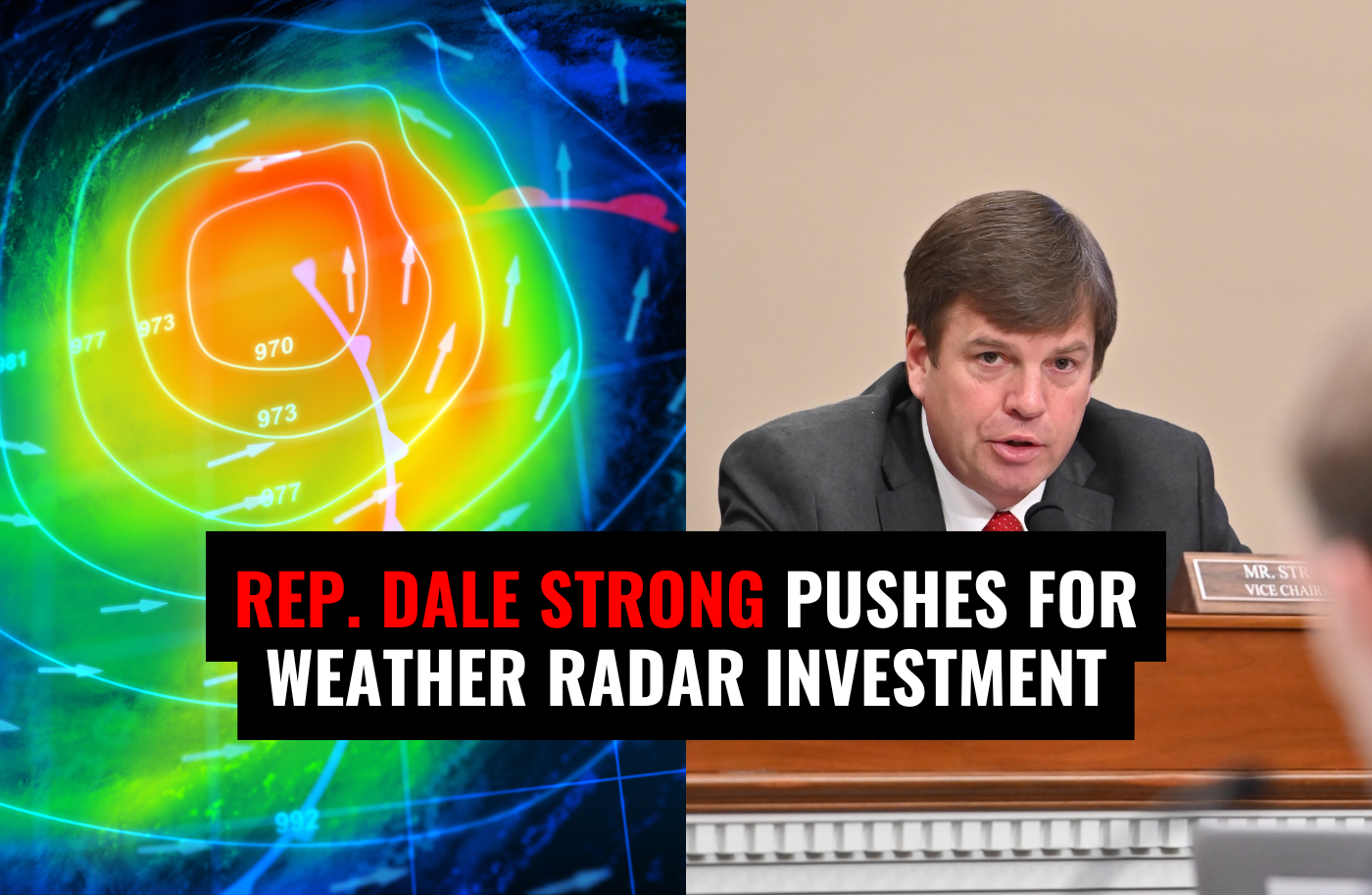
During a recent National Weather Service Oversight hearing, Congressman Dale Strong, serving as the Vice Chair of the Commerce, Justice, and Science Appropriations Subcommittee, formally addressed the urgent requirement for modernized weather infrastructure in the Tennessee Valley. Highlighting the aging state of current systems, Strong pushed for definitive timelines regarding the National Weather Service’s plans to replace the Hytop NEXRAD radar, a facility that has served as a primary safeguard for North Alabama commerce and public safety for over a quarter of a century.
The Hytop radar, situated in Jackson County, is a cornerstone of the regional meteorological network. However, the system has reached a level of antiquity that poses significant risks to the reliable delivery of hazardous weather warnings. Strong emphasized that the equipment, now more than 25 years old, has suffered from recurrent mechanical failures and extended periods of downtime. These outages create dangerous gaps in coverage during severe weather events, directly impacting the ability of local businesses and emergency services to respond to rapidly evolving atmospheric conditions and save lives.
The Economic & Life-Saving Necessity of the Radar Next Program
The advocacy for the Radar Next program represents more than a public safety initiative; it is a vital component of the region’s economic resilience. North Alabama, a hub for aerospace, defense, and manufacturing, relies heavily on precise meteorological data to protect high-value assets and ensure the continuity of operations. Data from the National Weather Service indicates that the transition to next-generation radar technology is essential to maintaining the level of precision required for modern industrial and commercial needs.
Congressman Strong noted that as the Radar Next program begins its initial phases, it is imperative that regions with complex topographical challenges and high-density research capabilities are prioritized. By securing early investment and deployment for the Hytop replacement, the Tennessee Valley can mitigate the economic losses associated with weather-related disruptions. The reliability of this infrastructure is a prerequisite for the continued growth of the Huntsville business corridor and the broader North Alabama economy.
Leveraging Huntsville’s Research and Operational Excellence
A significant portion of Strong’s testimony focused on the unique collaborative ecosystem present in Huntsville. The Weather Forecast Office in Huntsville does not operate in isolation; it functions at the intersection of operational forecasting and advanced academic research. The synergy between the National Weather Service, NASA, and the University of Alabama in Huntsville (UAH) creates a specialized environment where innovation is converted into real-time operational results.
This partnership allows for the rapid integration of new technologies into the public warning system. Strong highlighted that the dedication of the Huntsville team is a critical asset to the district, as forecasters often work under extreme pressure to protect their own communities and neighbors. Ensuring these professionals have access to the most advanced tools available through the Radar Next program is viewed as a logical extension of Huntsville’s status as a national leader in weather research and technology.
Addressing Gaps in Regional Coverage
The Hytop radar’s location at the foot of the Cumberland Plateau makes it indispensable for tracking storms across multiple states. When this specific node goes offline, the loss of data cannot be easily compensated for by neighboring radar sites due to the specific geography of the Tennessee Valley. Strong argued that the federal government must recognize the strategic importance of this location when determining the rollout schedule for new radar hardware.
For the Huntsville business community and residents alike, the stability of this infrastructure is a primary concern. The ability to provide timely, accurate warnings is essential for protecting the workforce and infrastructure that drive Alabama’s technological and industrial sectors. As the National Weather Service moves forward with its oversight and modernization goals, the focus remains on ensuring that North Alabama remains at the forefront of the nation’s meteorological infrastructure.
Author
Sign up for Huntsville Commerce Report - Huntsville, AL Business News newsletters.
Stay up to date with curated collection of our top stories.