Amazon Retrenches Grocery Strategy: Phasing Out "Just Walk Out" Technology and Closing Fresh Locations

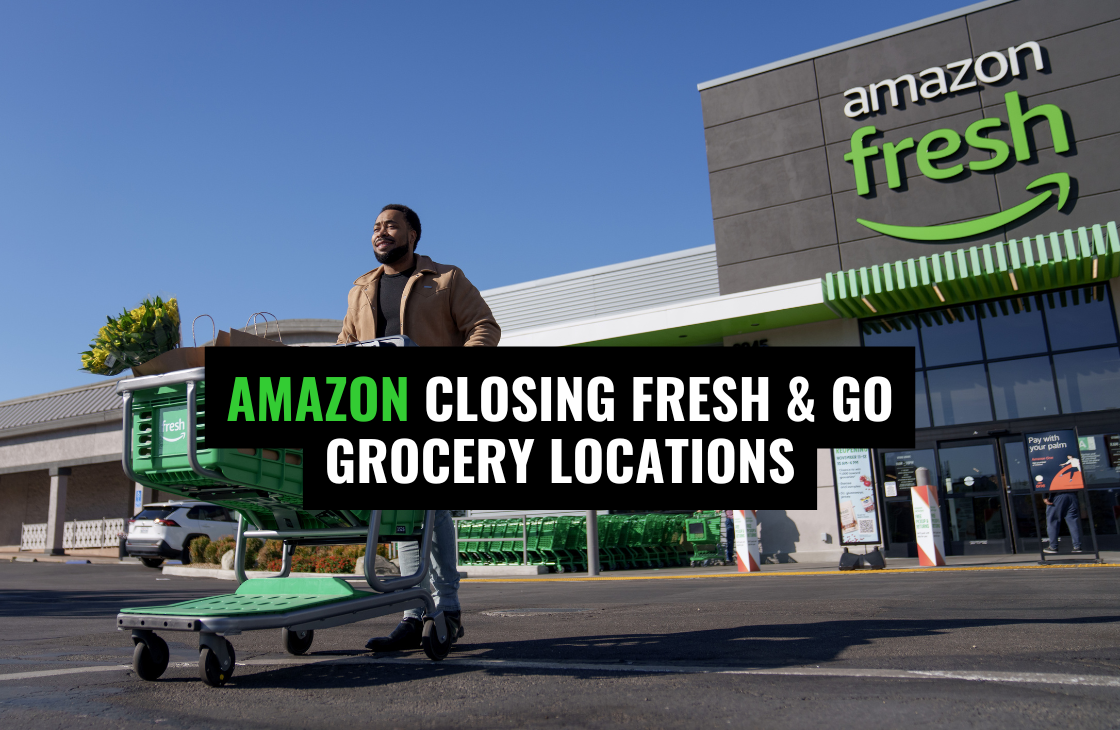
The landscape of automated retail is undergoing a significant correction as Amazon announces the closure of several Amazon Fresh and Amazon Go locations. This strategic pivot marks a transition from aggressive experimental expansion toward a more traditional, high-margin grocery model. For the retail sector in Alabama, where technological integration in commerce is a key economic driver, this shift offers a definitive case study on the limitations of fully autonomous shopping environments and the resilience of conventional consumer preferences.
The Sunset of "Just Walk Out" Technology
At the heart of Amazon’s initial grocery push was its proprietary "Just Walk Out" (JWO) technology. This system utilized a sophisticated "computer vision" array, involving hundreds of ceiling-mounted cameras and weight sensors integrated into shelving units. By employing deep-learning algorithms, the system was designed to track consumers in real-time, automatically billing their Amazon accounts as they exited the store without passing through a traditional checkout lane.
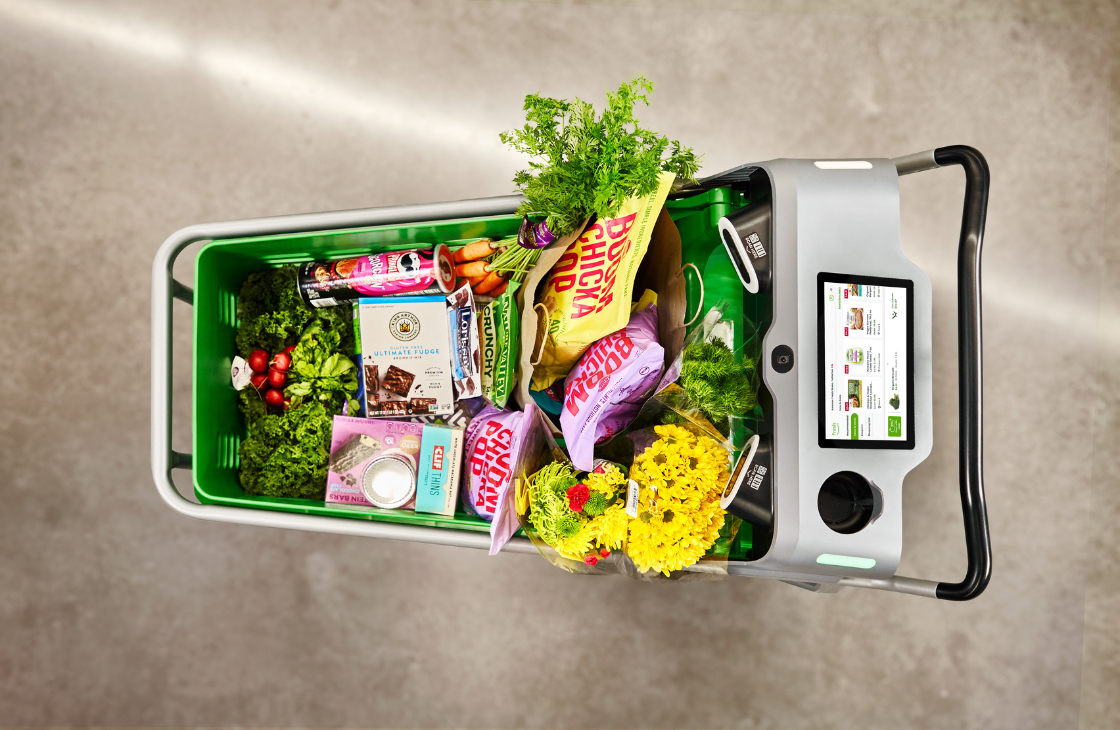
However, the operational reality of JWO proved more complex than the marketing suggested. Internal reports and industry analysis indicated that the system required significant human intervention, with a large team of overseas reviewers often verifying video footage to ensure billing accuracy. The high capital expenditure required to outfit these "dark stores" with such dense sensor arrays ultimately conflicted with the thin margins characteristic of the grocery industry. As Amazon pivots, it is increasingly replacing JWO with "Dash Carts"—smart shopping carts equipped with localized scanners—which offer a middle ground between automation and the traditional shopping experience.
Strategic Store Closures and Market Consolidation
The decision to close select Amazon Fresh and Go locations follows a period of rapid, pandemic-era growth that has since cooled under the pressure of inflation and shifting consumer habits. In 10-K filings and recent earnings calls, Amazon leadership highlighted the need to "refine the format" before committing to further large-scale physical expansion. This includes a multi-billion dollar impairment charge related to the closure of underperforming sites.
This consolidation is not an exit from the market but a refocusing on Whole Foods Market, which continues to show robust growth and high brand loyalty. By prioritizing the Whole Foods footprint, Amazon is signaling that high-quality perishables and a premium in-store atmosphere remain more valuable to the modern consumer than the novelty of a cashierless exit. For retailers in the Alabama market, this serves as a signal that while technology is a tool for efficiency, it cannot yet replace the foundational elements of grocery retail: product quality and reliable service.
Impact on the Broader Grocery Retail Sector
The broader retail industry is watching Amazon’s retreat from fully autonomous stores with keen interest. For years, the "Amazon effect" pressured regional grocers to invest heavily in similar cashierless technologies. Amazon’s recent recalibration suggests a cooling period for fully autonomous retail, likely shifting industry focus toward "hybrid" solutions.
Shift Toward Hybrid Automation
Retailers are now moving away from the "all-or-nothing" approach to automation. Instead of eliminating checkouts, companies are investing in AI-driven inventory management and enhanced self-checkout kiosks that use weight-sensing technology without the massive infrastructure costs of JWO.
Real Estate and Logistics Implications
The closure of urban Amazon Go sites highlights a shift in commercial real estate demand. In high-growth areas like Huntsville and Birmingham, developers are seeing a preference for "omnichannel" hubs—stores that serve as both a physical showroom and a localized fulfillment center for delivery services like Shipt or Instacart.
Alabama’s Retail Landscape in a Post-JWO Era
In Alabama, the grocery sector remains highly competitive, dominated by regional giants and discount leaders. The state’s economic development has recently focused on bringing high-tech manufacturing and logistics to the Tennessee Valley, yet the retail sector continues to rely on the traditional "anchor tenant" model for shopping center stability.
Amazon’s pivot suggests that for the foreseeable future, Alabama consumers will continue to see a focus on "human-centric" retail. While Huntsville remains a tech-forward city, the poor performance of fully autonomous grocery formats to scale nationally indicates that local grocery expansions will likely stick to proven models. Data from the Alabama Department of Revenue shows that despite the rise of e-commerce, brick-and-mortar grocery sales remain a primary pillar of local tax bases, underscoring the importance of physical stores that can successfully balance tech-driven convenience with traditional customer engagement.
Author
Sign up for Huntsville Commerce Report - Huntsville, AL Business News newsletters.
Stay up to date with curated collection of our top stories.